NEWS
What has Trump achieved in Iran? Regime unchanged but emboldened, economic chaos, Nato torn apart… All things appears to be falling apart

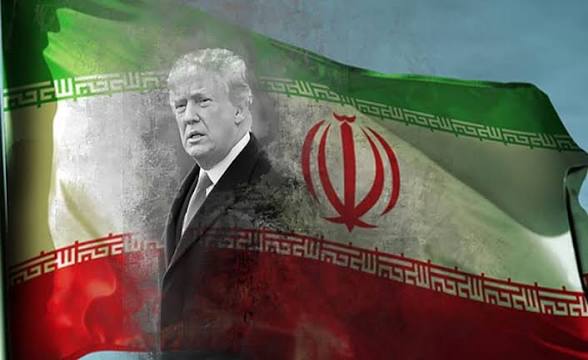
In the world of geopolitics, success is rarely black and white. But when it comes to former U.S. President and his handling of Iran, one question continues to echo across global headlines:
What exactly was achieved?
At first glance, the answer depends on who you ask. Supporters point to military strikes, economic pressure, and a show of strength. Critics, however, see something very different—a costly confrontation that may have ultimately strengthened the very adversary it sought to weaken.
A Regime Still Standing—and Possibly Stronger
One of the most obvious outcomes is also the most telling:
Iran’s leadership remains unchanged.
There was no regime collapse, no internal overthrow, no dramatic shift in power. Instead, the Iranian government emerged from the confrontation bruised—but intact. In fact, many analysts argue that the pressure campaign may have consolidated internal support, allowing leaders to rally citizens against a common external threat.
Military Blows vs Strategic Reality
There’s no denying that the U.S. inflicted real military damage on Iran. Key infrastructure, weapons systems, and operational capabilities were targeted.
But here’s the critical issue:
Damaging an opponent is not the same as defeating them.
Iran has shown resilience, adapting quickly and maintaining its influence across the Middle East. The bigger question isn’t what was destroyed—but what changed long-term?
So far, not much.
The Nuclear Question: Still Unanswered
One of the central goals of Trump’s Iran policy was clear:
Stop Iran from advancing its nuclear ambitions.
Yet today, that objective remains unresolved.
Diplomatic talks have stalled. Agreements have collapsed. And Iran has shown little willingness to abandon its nuclear program. If anything, the standoff has hardened positions on both sides, pushing a long-term solution further out of reach.
Economic Pressure—At What Cost?
Trump’s “maximum pressure” campaign hit Iran’s economy hard. Sanctions disrupted trade, weakened currency stability, and created internal strain.
But the impact didn’t stop at Iran’s borders.
- Global oil markets felt the shock
- Shipping routes faced uncertainty
- Regional economies experienced ripple effects
In trying to squeeze Iran, the strategy also introduced wider economic instability, affecting allies and neutral players alike.
Strained Alliances and Global Tensions
Another unintended consequence has been the strain on international relationships. Members of and other Western allies have not always aligned with Trump’s aggressive stance.
Instead of presenting a united front, cracks began to show—raising concerns about coordination, trust, and long-term strategy among traditional partners.
A More Assertive Iran?
Perhaps the most ironic outcome is this:
Iran may now hold more regional leverage than before.
From its strategic position near the Strait of Hormuz—a vital artery for global oil—to its continued influence in regional conflicts, Iran has demonstrated that it remains a key power player.
Rather than being isolated into submission, it has adapted—and in some areas, grown more assertive.
So, Was It Worth It?
That depends on how success is defined.
If the goal was to:
- Show strength → Achieved
- Inflict military damage → Achieved
But if the goal was to:
- Change the regime → Failed
- End nuclear ambitions → Unresolved
- Reduce Iran’s influence → Questionable
Then the results look far less convincing.
Final Thoughts: A Strategy Under Scrutiny
The story of Trump and Iran is not one of simple victory or defeat. It is a case study in the limits of hard power—where short-term gains can collide with long-term consequences.
As global tensions continue to evolve, one thing is clear:
Tactical success does not always translate into strategic victory.
And in the case of Iran, the final verdict may still be unfolding.


Candace Owens fires back at Donald Trump: “Time to Send Him to an Old People’s Home”

VIRAL: BREAKS THE INTERNET WITH DARING FASHION MOMENT — FANS CAN’T STOP TALKING!

Secret double life of Kristi Noem’s cross-dressing husband Bryon: The pouting ‘busty bimbo’ photos and trove of explicit messages

Internet Buzz: 10 Private Photos of Serena Williams Allegedly Leaked Online, Click here to see more pictures

“Beyoncé Goes Viral Over Priceless Reaction to Party Confrontation” between Usher Raymond and Justin Bieber.

WWE Star Sasha Banks Breaks Her Silence: The Real Reason Behind Her WWE Exit

Beloved young dad and inspiring female ‘Air Force superstar’ among US heroes killed in Iran mission crash as all six are named

What has Trump achieved in Iran? Regime unchanged but emboldened, economic chaos, Nato torn apart… All things appears to be falling apart

Kylie Jenner Stuns in Topless Vanity Fair Shoot, Opens Up About Love with Timothée Chalamet and Desire for More Kids

MAGA kingdom on fire: Trump turns on his closest allies in furious tirade on Iran as loyalists bail on president… as he declares Brigitte Macron is a WOMAN

“Over 300 Days Into His Second Term: How Is Donald Trump Really Doing?”
