NEWS
About 30mins Ago : An IDF Insider Reveals How the U.S. and Israel Infiltrated Iran Supreme Leader Khamenei Inner Circle, Tracked and Killed Iran’s Top Leadership in the First Wave of Strikes

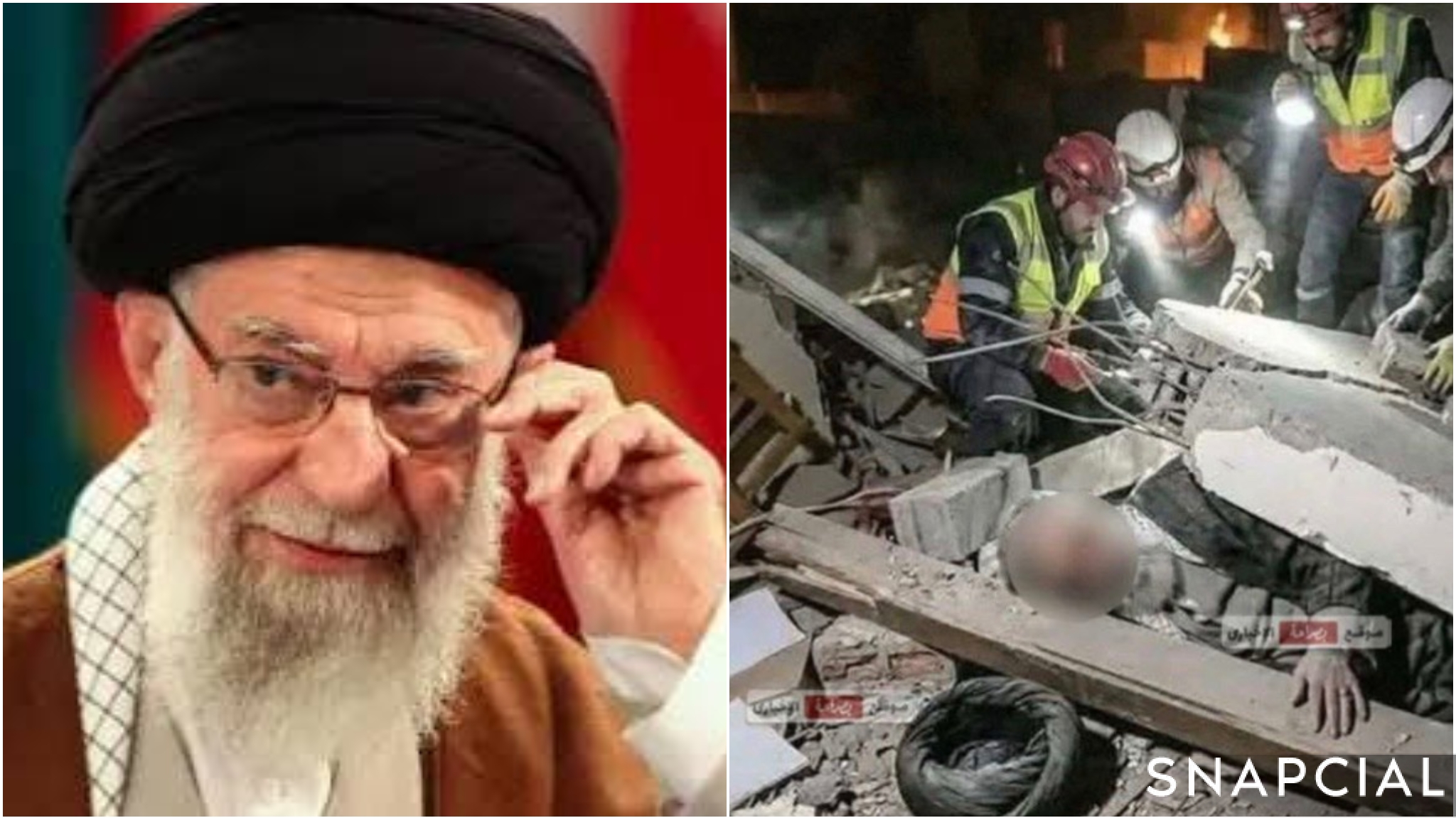
In a stunning revelation emerging just 30 minutes after the opening wave of attacks, an alleged insider from the (IDF) has detailed how the United States and Israel coordinated an unprecedented intelligence-driven operation aimed at Iran’s highest political and military leadership.
According to the insider, the opening phase of the war was not designed to hit infrastructure alone. Instead, it was built around a single, high-risk objective: neutralizing Iran’s command structure before it could respond.
A War Planned in Silence
The source claims that for months, U.S. and Israeli intelligence agencies quietly mapped the movements, communication habits, and security patterns of Iran’s most powerful figures — including and senior commanders of the (IRGC).
Rather than relying on a single intelligence stream, planners allegedly fused multiple layers:
- Satellite surveillance tracking secured compounds and emergency bunkers
- Intercepted communications revealing meeting schedules
- Human intelligence confirming leadership presence at key locations
- AI-assisted pattern analysis predicting movement windows
“The goal was certainty,” the insider said. “No guesses. No assumptions.”
The Moment the Trap Closed
The insider claims the first strikes were launched only after confirmation that multiple top officials were in the same operational zone. This convergence, described as “rare and extremely time-sensitive,” reportedly triggered immediate authorization from both Washington and Tel Aviv.
Precision-guided munitions were allegedly deployed within minutes, targeting command centers, underground facilities, and secured leadership compounds.
“This was not shock-and-awe,” the source said. “This was decapitation.”
Who Was Targeted
According to the insider, the strike list focused on:
- Senior political leadership tied directly to Iran’s strategic decision-making
- Top IRGC commanders overseeing missile, drone, and proxy operations
- Defense and intelligence officials coordinating regional responses
While online reports and social media have claimed the deaths of multiple high-ranking figures — including Ayatollah Ali Khamenei — official confirmation remains limited, and the true outcome of the strike is still unfolding.
What is clear, however, is that Iran’s chain of command was severely disrupted in the opening hours.
Why the First Wave Mattered
Military analysts say early strikes in modern warfare often decide the course of a conflict. By targeting leadership instead of bases, the U.S. and Israel reportedly aimed to:
- Delay or prevent coordinated retaliation
- Create confusion within Iran’s military hierarchy
- Force internal power struggles at a critical moment
- Gain air and intelligence dominance early
The insider described the strategy as “ending the war before it could properly begin.”
Iran on Edge, the World Watching
In Tehran, emergency protocols were reportedly activated immediately after the strikes. Security forces sealed key districts, state media went silent for hours, and rumors of leadership losses spread rapidly across the region.
Meanwhile, global capitals braced for retaliation, fearing the conflict could spiral into a broader regional war involving proxies, shipping lanes, and energy infrastructure.
Final Thoughts
If the insider’s account is even partially accurate, this operation represents one of the most aggressive intelligence-driven military actions in modern history — a fusion of surveillance, technology, and precision warfare aimed not at armies, but at the very core of state power.
As the fog of war clears, the world waits for confirmation, retaliation, and the next move in a conflict that may redefine Middle East geopolitics for years to come.


VIRAL: BREAKS THE INTERNET WITH DARING FASHION MOMENT — FANS CAN’T STOP TALKING!

Secret double life of Kristi Noem’s cross-dressing husband Bryon: The pouting ‘busty bimbo’ photos and trove of explicit messages

Internet Buzz: 10 Private Photos of Serena Williams Allegedly Leaked Online, Click here to see more pictures

“Beyoncé Goes Viral Over Priceless Reaction to Party Confrontation” between Usher Raymond and Justin Bieber.

WWE Star Sasha Banks Breaks Her Silence: The Real Reason Behind Her WWE Exit

Beloved young dad and inspiring female ‘Air Force superstar’ among US heroes killed in Iran mission crash as all six are named

Kylie Jenner Stuns in Topless Vanity Fair Shoot, Opens Up About Love with Timothée Chalamet and Desire for More Kids

“Over 300 Days Into His Second Term: How Is Donald Trump Really Doing?”

How Israel lured Ayatollah to his doom… then blew him up with a missile from space

Megan Fox Sets Instagram Ablaze With Sultry New Photos That Have Fans Weak at the Knees

Tucker Carlson Torches Trump’s Iran Strike as “Disgusting and Evil,” Exposing Deep Cracks in the MAGA Base
