NFL
The New England Patriots community is reeling from the heartbreaking death of a beloved 16-year-old staff member. He grew up with the team and was widely regarded as a passionate football fan, a talented young player, and a promising prospect for the future

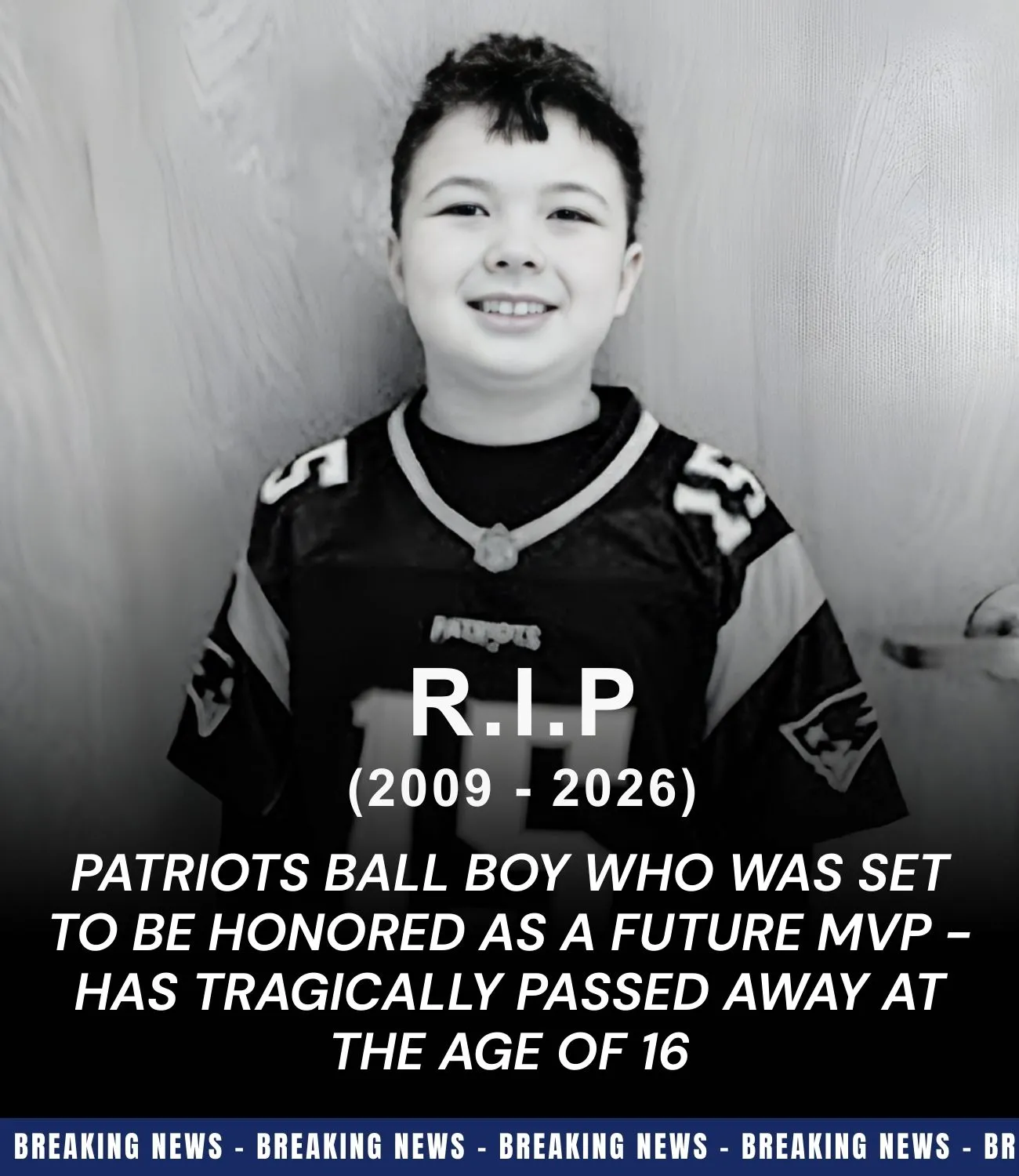
A DYNASTY IN MOURNING: Patriots Tragedy Ignites Grief, Controversy, and a Storm of Questions Across the Football World
The New England Patriots community was thrown into emotional turmoil after devastating news confirmed the sudden passing of a beloved sixteen-year-old staff member, sending shockwaves through fans, media outlets, and rival franchises who momentarily set competition aside to grieve.
He was far more than a young helper on the sidelines, representing loyalty, aspiration, and a lifelong connection to the franchise that inspired thousands of children who believed dedication and passion could someday open doors into professional football.
Having grown up around practices, locker rooms, and roaring stadium crowds, he became known not only as an enthusiastic supporter but also as a talented young athlete whose discipline and determination suggested a future filled with possibility and promise.
Veteran players frequently spoke about his contagious optimism, explaining that his presence during long training days often reminded them why they first fell in love with the sport, bringing an authenticity that statistics and contracts could never replicate.
From summer camps beneath bright sunshine to freezing late-season home games filled with thunderous chants, his familiar smile evolved into a quiet symbol of continuity within a franchise built on legacy, resilience, and unwavering fan devotion.
When the news of his passing surfaced, social media platforms transformed almost instantly into digital memorials overflowing with heartfelt tributes, personal photographs, and emotional stories shared by strangers united through collective sorrow and unexpected solidarity.
Yet as condolences multiplied and hashtags climbed trending charts, attention gradually shifted toward the organization’s leadership decisions, igniting a controversial discussion that blurred the line between mourning, accountability, and public expectation in the digital spotlight.
Many supporters anticipated a deeply personal response capable of uniting a grieving community, but the tone and timing of official statements left portions of the fanbase unsettled, creating an atmosphere where questions began to spread faster than answers.
Online forums quickly became arenas of passionate debate, with some fans defending the team’s cautious communication while others criticized what they perceived as emotional distance, turning grief into a polarizing conversation amplified by algorithms and viral sharing
Rumors soon circulated through unofficial sources, complicating the emotional landscape and demonstrating how rapidly speculation can overshadow verified information when silence or restraint is interpreted as indifference rather than sensitivity.
Sports commentators described the unfolding situation as a modern example of crisis communication challenges, arguing that professional organizations now operate under relentless scrutiny where every pause, word choice, and gesture becomes a subject of immediate analysis.
Former Patriots players and league figures offered heartfelt condolences while subtly encouraging transparency, emphasizing that honoring a young supporter’s memory required not only ceremonies and symbolic gestures but also sincere dialogue capable of rebuilding communal trust.
Meanwhile, tribute videos, candlelight gatherings, and stadium moments of silence revealed a community searching for healing through unity, proving that shared remembrance can still rise above digital arguments and restore a sense of collective humanity.
Hashtags dedicated to his legacy surged across global timelines, transforming personal grief into a worldwide movement that highlighted the extraordinary emotional reach of sports culture and its ability to unite strangers through shared empathy and memory.
Some observers defended leadership decisions as necessary precautions guided by legal and ethical considerations, while critics argued that excessive restraint risked appearing disconnected from the emotional reality experienced by grieving fans and players alike.


Kylie Jenner Stuns in Topless Vanity Fair Shoot, Opens Up About Love with Timothée Chalamet and Desire for More Kids

“Over 300 Days Into His Second Term: How Is Donald Trump Really Doing?”

How Israel lured Ayatollah to his doom… then blew him up with a missile from space

Megan Fox Sets Instagram Ablaze With Sultry New Photos That Have Fans Weak at the Knees

Tucker Carlson Torches Trump’s Iran Strike as “Disgusting and Evil,” Exposing Deep Cracks in the MAGA Base

War Erupts in the Gulf: Iran Attacks U.S. 5th Fleet in Bahrain After Trump Launches ‘Massive’ Strike on Tehran

Boldly Unbothered: Rapper Takischa Sets the Internet on Fire With Daring Red-Carpet Look, Click Here to Watch Full Video

Boldly Unbothered: Rapper Takischa Sets the Internet on Fire With Daring Red-Carpet Look, Click Here to Watch Full Vidoe

Michael Jackson’s daughter Paris has broken her silence: “My dad used to…See more…

Trump Mercilessly Mocked Over Global Tariff Meltdown as Emmanuel Macron and Gavin Newsom Troll Him

Chris Brown Turns Up in Atlanta with a Fun Filled After-Party Scenes that Left Fans Talking! See Videos and Pictures here
