NEWS
Sad News – Filipino Food Influencer Dies After Eating Toxic ‘Devil Crab’ For Social Media Stunt

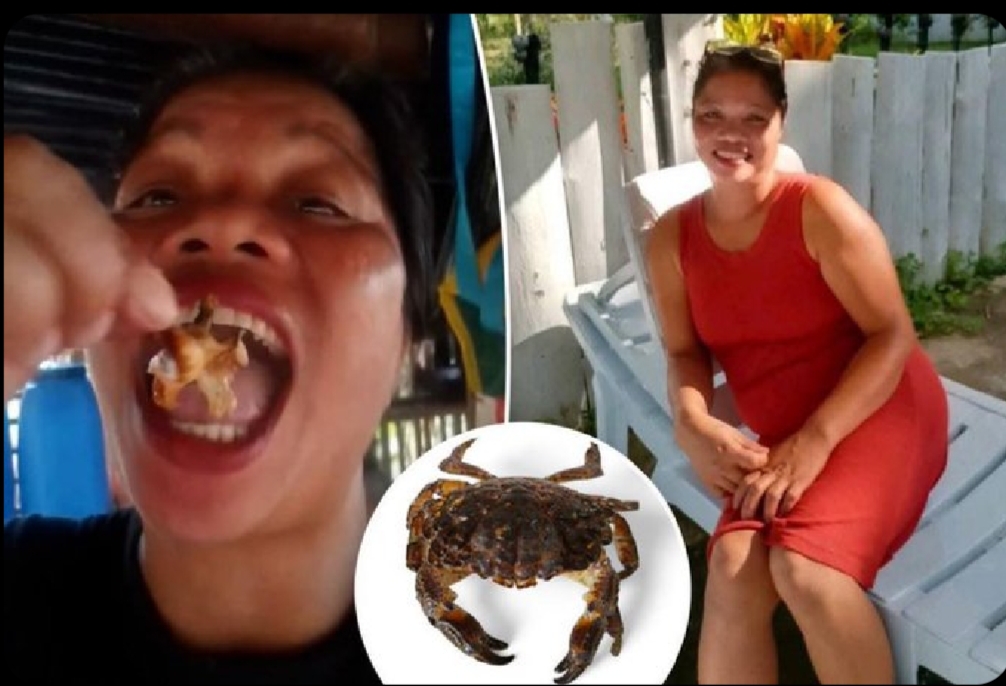
In a chilling reminder of the dangers behind extreme social media content, a food influencer has reportedly died after consuming a poisonous crustacean known as a “devil crab” while filming a food video for her followers.
The incident occurred in Palawan, Philippines, where 51-year-old food content creator Emma Amit joined friends on a foraging trip in a mangrove area. The group reportedly collected shellfish and crabs, cooked them in a coconut-milk-based dish, and recorded the meal for social media.
What appeared to be a harmless local delicacy turned deadly.
What Is a Devil Crab?
The so-called devil crab is a species of reef crab known to carry powerful neurotoxins. Experts warn that these toxins are not destroyed by cooking, no matter how long the crab is boiled or fried. Ingesting even small amounts can lead to paralysis, respiratory failure, seizures, and death.
Despite its dangerous nature, the crab can look deceptively similar to edible species, making it especially risky for people without expert knowledge.
Rapid Health Decline
Reports indicate that the influencer began experiencing severe symptoms the day after eating the crab. Witnesses said she suffered convulsions, difficulty breathing, and discoloration of the lips — classic signs of neurotoxin poisoning.
She was rushed to a medical facility but sadly passed away two days after consuming the crab.
Authorities Issue Public Warning
Local officials have since issued urgent warnings to coastal communities and content creators, urging people not to consume unfamiliar wild seafood and to stop dangerous food challenges meant purely for online engagement.
Officials emphasized that even experienced fishers and foragers can make fatal mistakes when dealing with toxic marine species.
A Sobering Lesson for Social Media Culture
This tragic death has reignited debate over the pressure influencers face to create shocking or extreme content to stay relevant online. What begins as an attempt to entertain or educate can quickly turn fatal when safety is ignored.
Experts are urging creators and viewers alike to remember that views are never worth a life.
As social media continues to reward viral stunts, this heartbreaking incident stands as a powerful reminder: nature does not forgive ignorance — and no content is worth dying for.


VIRAL: BREAKS THE INTERNET WITH DARING FASHION MOMENT — FANS CAN’T STOP TALKING!

Secret double life of Kristi Noem’s cross-dressing husband Bryon: The pouting ‘busty bimbo’ photos and trove of explicit messages

Internet Buzz: 10 Private Photos of Serena Williams Allegedly Leaked Online, Click here to see more pictures

“Beyoncé Goes Viral Over Priceless Reaction to Party Confrontation” between Usher Raymond and Justin Bieber.

WWE Star Sasha Banks Breaks Her Silence: The Real Reason Behind Her WWE Exit

Beloved young dad and inspiring female ‘Air Force superstar’ among US heroes killed in Iran mission crash as all six are named

Kylie Jenner Stuns in Topless Vanity Fair Shoot, Opens Up About Love with Timothée Chalamet and Desire for More Kids

“Over 300 Days Into His Second Term: How Is Donald Trump Really Doing?”

How Israel lured Ayatollah to his doom… then blew him up with a missile from space

Megan Fox Sets Instagram Ablaze With Sultry New Photos That Have Fans Weak at the Knees

Tucker Carlson Torches Trump’s Iran Strike as “Disgusting and Evil,” Exposing Deep Cracks in the MAGA Base
