NEWS
Health Secretary Robert F. Kennedy Jr.’s Shocking Admission Sparks Nationwide Reaction, After he Admitted he used to Snort Cocaine off toilet

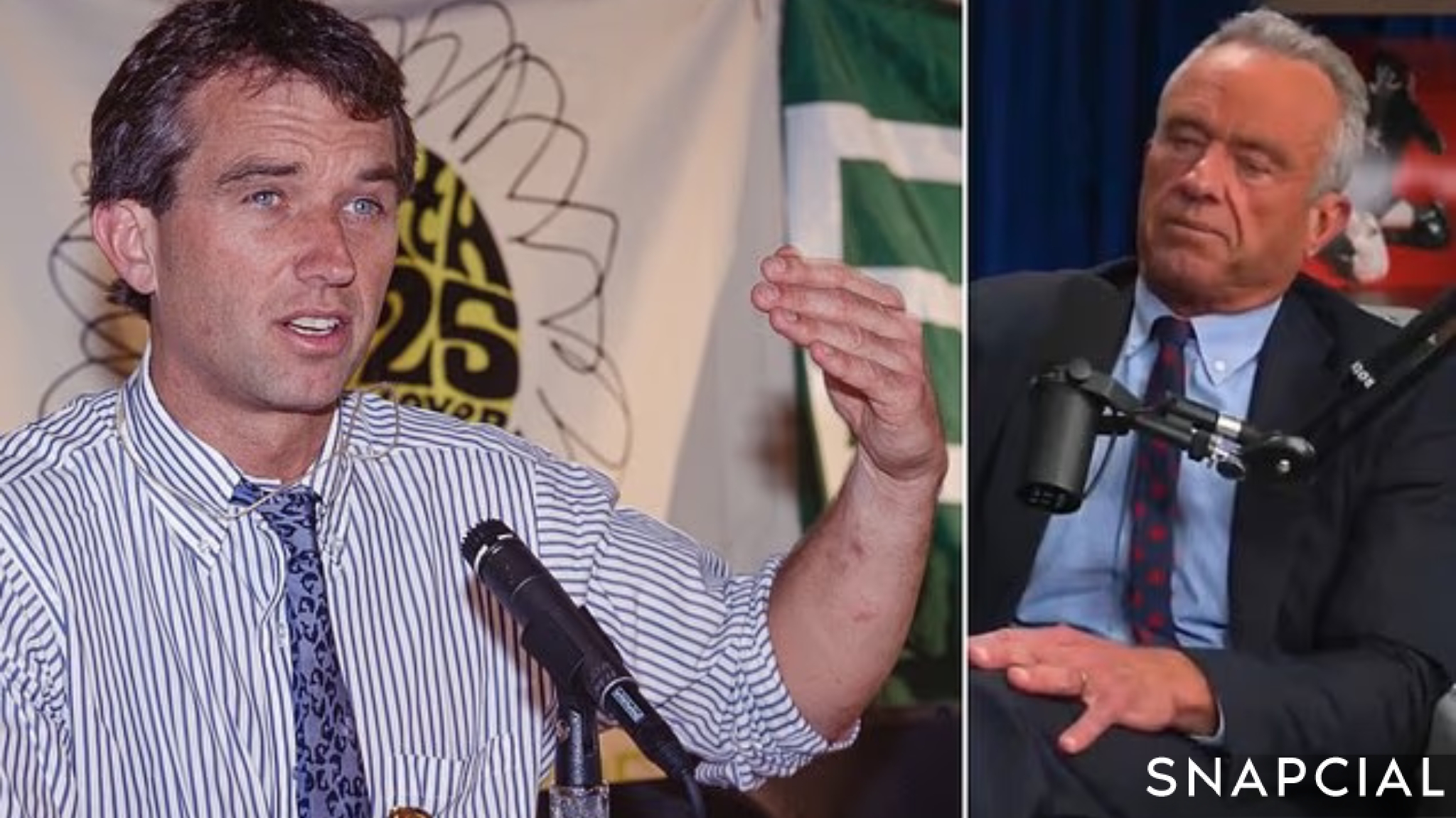
U.S. Health and Human Services Secretary has ignited intense public discussion after making a startlingly candid admission about his past struggles with drug addiction — revealing that he once “snorted cocaine off toilet seats” before achieving sobriety.
The remark surfaced during a recent podcast conversation, where Kennedy spoke openly about the depths of his addiction and the long road to recovery that ultimately reshaped his life. While the comment shocked many listeners, it was shared as part of a broader reflection on personal transformation, accountability, and the discipline required to remain sober for decades.
A Raw Look Into Addiction and Recovery
Kennedy’s admission was not framed as a boast or provocation, but as a stark illustration of how destructive addiction can become. He used the example to emphasize how far he has come since those dark years and why recovery remains a daily commitment, even now as one of the most powerful health officials in the United States.
According to Kennedy, confronting the truth of his past has been essential to maintaining sobriety. He has long credited recovery programs and peer support as critical lifelines that helped him rebuild his personal and professional life after battling substance abuse in the late 1970s and early 1980s.
Why the Comment Is Drawing Attention Now
The statement has attracted heightened scrutiny because of Kennedy’s current role overseeing national health policy. As the head of the Department of Health and Human Services, he is responsible for public health initiatives, addiction treatment strategies, and mental health programs — making his personal history with substance abuse especially relevant.
Supporters argue that his openness humanizes addiction and helps reduce stigma, showing that recovery is possible even after severe substance dependence. Critics, however, say the blunt nature of the comment raises questions about judgment and messaging from a cabinet-level official.
Public Reaction: Praise and Criticism Collide
Reaction online has been swift and polarized. Some Americans praised Kennedy for his honesty, calling it a powerful reminder that addiction affects people across all social classes and backgrounds. Others expressed discomfort, arguing that such graphic admissions may undermine public confidence in leadership at a time when trust in institutions is fragile.
Despite the backlash, Kennedy has never hidden his past. He has repeatedly spoken about addiction, recovery, and personal responsibility throughout his public life, often framing his experiences as motivation to expand access to treatment and recovery resources nationwide.
A Story Bigger Than the Soundbite
While the phrase itself grabbed headlines, the larger story is about recovery, accountability, and transformation. Kennedy’s journey from addiction to one of the highest public health offices in the country underscores the complexity of substance abuse — and the possibility of redemption.
Whether viewed as courageous honesty or controversial oversharing, the moment has reignited a broader conversation about addiction, leadership, and how much of a public official’s past should define their present.


VIRAL: BREAKS THE INTERNET WITH DARING FASHION MOMENT — FANS CAN’T STOP TALKING!

Secret double life of Kristi Noem’s cross-dressing husband Bryon: The pouting ‘busty bimbo’ photos and trove of explicit messages

Internet Buzz: 10 Private Photos of Serena Williams Allegedly Leaked Online, Click here to see more pictures

“Beyoncé Goes Viral Over Priceless Reaction to Party Confrontation” between Usher Raymond and Justin Bieber.

WWE Star Sasha Banks Breaks Her Silence: The Real Reason Behind Her WWE Exit

Beloved young dad and inspiring female ‘Air Force superstar’ among US heroes killed in Iran mission crash as all six are named

Kylie Jenner Stuns in Topless Vanity Fair Shoot, Opens Up About Love with Timothée Chalamet and Desire for More Kids

“Over 300 Days Into His Second Term: How Is Donald Trump Really Doing?”

How Israel lured Ayatollah to his doom… then blew him up with a missile from space

Megan Fox Sets Instagram Ablaze With Sultry New Photos That Have Fans Weak at the Knees

Tucker Carlson Torches Trump’s Iran Strike as “Disgusting and Evil,” Exposing Deep Cracks in the MAGA Base
