NEWS
Exclusive: Feds Insider Reveals the Real Reason Behind Don Lemon’s Arrest Amid Church Protest Fallout

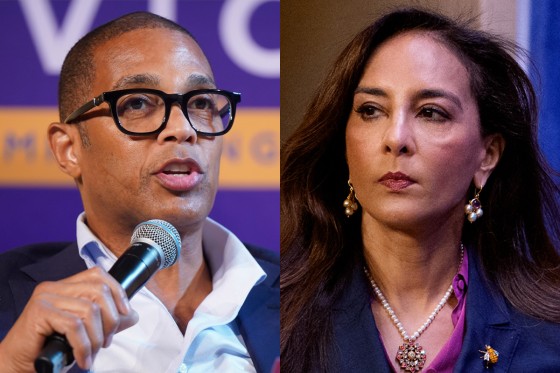
The arrest of former CNN anchor Don Lemon has sparked a political firestorm — and now, new details from a federal source familiar with the case are shedding light on what authorities say truly prompted the dramatic move.
While public statements from federal officials point to Lemon’s alleged involvement in a disruptive church protest, insiders suggest the decision to arrest him goes far deeper than a single incident.
The Protest That Set Everything in Motion
The controversy traces back to a highly charged protest at a Minnesota church earlier this month. Demonstrators interrupted a religious service to protest U.S. Immigration and Customs Enforcement (ICE), claiming the church’s leadership had ties to federal immigration enforcement.
Don Lemon was present at the scene, recording and documenting the protest — actions he and his legal team insist were purely journalistic. Video footage showed tense moments inside the church as worship was disrupted, triggering outrage from religious groups and conservative lawmakers who demanded accountability.
The Official Line — and the Insider Reality
Publicly, federal authorities have framed Lemon’s arrest as a matter of law enforcement neutrality, arguing that no individual — journalist or otherwise — is exempt from laws protecting religious worship from disruption.
But according to a federal insider with knowledge of internal discussions, that explanation is only part of the story.
The insider claims the arrest was driven by mounting political pressure following the protest, particularly from lawmakers and advocacy groups who accused the government of applying “selective justice” after earlier decisions not to pursue charges against high-profile protest participants.
“There was a feeling inside the system that the government looked weak,” the source said. “Once Lemon became the public face of the incident, the pressure to act became impossible to ignore.”
Journalism vs. Participation
At the heart of the case is a critical legal question: Was Don Lemon documenting the protest — or participating in it?
Federal prosecutors reportedly argue that remaining inside the church during the disruption crossed a legal line. Lemon’s attorneys strongly dispute this, warning that criminalizing journalists for covering protests could have a chilling effect on press freedom nationwide.
“This isn’t about order,” Lemon’s legal team has argued. “It’s about setting an example.”
Why Lemon, Why Now?
According to the insider, Lemon’s celebrity status played a decisive role. Officials allegedly feared that failing to act would reinforce perceptions of a two-tier justice system — one for ordinary citizens and another for media elites.
In short, the source suggests Lemon wasn’t arrested despite his prominence — but because of it.
A Case With National Implications
The fallout extends far beyond Don Lemon. Media organizations, civil liberties groups, and religious leaders are watching closely, warning that the outcome could redefine the boundaries between protest coverage and criminal liability.
Supporters see the arrest as an alarming escalation against journalists. Critics say it’s long-overdue accountability.
One thing is clear: this case is no longer just about a protest inside a church. It has become a flashpoint in America’s ongoing battle over free speech, religious protection, and the power of the state.
As the legal process unfolds, the question remains — was Don Lemon arrested for breaking the law, or for becoming the most visible symbol of a protest that authorities felt had gone too far?


VIRAL: BREAKS THE INTERNET WITH DARING FASHION MOMENT — FANS CAN’T STOP TALKING!

Secret double life of Kristi Noem’s cross-dressing husband Bryon: The pouting ‘busty bimbo’ photos and trove of explicit messages

Internet Buzz: 10 Private Photos of Serena Williams Allegedly Leaked Online, Click here to see more pictures

“Beyoncé Goes Viral Over Priceless Reaction to Party Confrontation” between Usher Raymond and Justin Bieber.

WWE Star Sasha Banks Breaks Her Silence: The Real Reason Behind Her WWE Exit

Beloved young dad and inspiring female ‘Air Force superstar’ among US heroes killed in Iran mission crash as all six are named

Kylie Jenner Stuns in Topless Vanity Fair Shoot, Opens Up About Love with Timothée Chalamet and Desire for More Kids

“Over 300 Days Into His Second Term: How Is Donald Trump Really Doing?”

How Israel lured Ayatollah to his doom… then blew him up with a missile from space

Megan Fox Sets Instagram Ablaze With Sultry New Photos That Have Fans Weak at the Knees

Tucker Carlson Torches Trump’s Iran Strike as “Disgusting and Evil,” Exposing Deep Cracks in the MAGA Base
